The 18th NAGOYA Global Retreat (The 7th CIBoG Retreat), March 16 and 17, 2026
The 18th NAGOYA Global Retreat (The 7th CIBoG Retreat)

Date & Time: Monday, March 16 - Tuesday, March 17, 2026, 17:00 (2 days and 1 night)
Venue: Aichi Health Plaza (Kenko-no-Mori in Obu City) face-to-face meeting*Since this year's Retreat will be held on a weekday, we have adjusted the schedule for Tuesday, March 17th to include an afternoon session.
Bus Transportation:
Buses will be arranged for transportation; however, please note that these services are subject to cancellation if the number of participants does not meet the required minimum
・Monday, March 16, 2026, around 8:30 a.m.
Departing from Higashiyama Campus and Tsurumai Campus bound for the venue (Aichi Health Plaza)
・Monday, March 16, 2026, around 9:00 a.m.
Departing from Obu Station West Exit boudn for the venue (Aichi Health Plaza)
・Monday, March 16, 2026, around 8:00 p.m.
Departing from the venue (Aichi Health Plaza) bound for Obu Station
・March 17, 2026 (Tuesday) Around 8:00 a.m.
Departing from Obu Station West Exit bound for the Venue (Aichi Health Plaza)
・March 17, 2026 (Tuesday) Around 4:00 p.m.
Departing from the Venue (Aichi Health Plaza) bound for Obu Station, Higashiyama Campus, Tsurumai Campus
Participation fees, meals (lunch and dinner), and accommodations (including breakfast) are free of charge.
* Participants wishing to attend the dinner (social gathering) on Monday, March 16th are requested to pay 1,000 yen on-site.
Participants:
Faculty members, researchers, post-doctoral fellows, medical staff, graduate and undergraduate students from research institutions in the Tokai area
Researchers from CIBoG partner institutions
Participating Institutions:
Graduate School of Medicine, Nagoya University
Graduate School of Informatics, Nagoya University
Graduate School of Pharmaceutical Sciences, Nagoya University
Graduate School of Bioagricultural Sciences
Research Center of Health, Physical Fitness and Sports, Nagoya University
The United Graduate School of Agricultural Science, Gifu University
Graduate School of Natural Science and Technology, Gifu University
National Center for Geriatrics and Gerontology (NCGG)
National Institute for Physiological Sciences (NIPS)
Aichi Cancer Center
Institute for Developmental Research
【Invited Lecture】
https://profs.provost.nagoya-u.ac.jp/html/100012907_en.html
"Theranostics: Integrating Molecular Imaging and Targeted Radiotherapy"
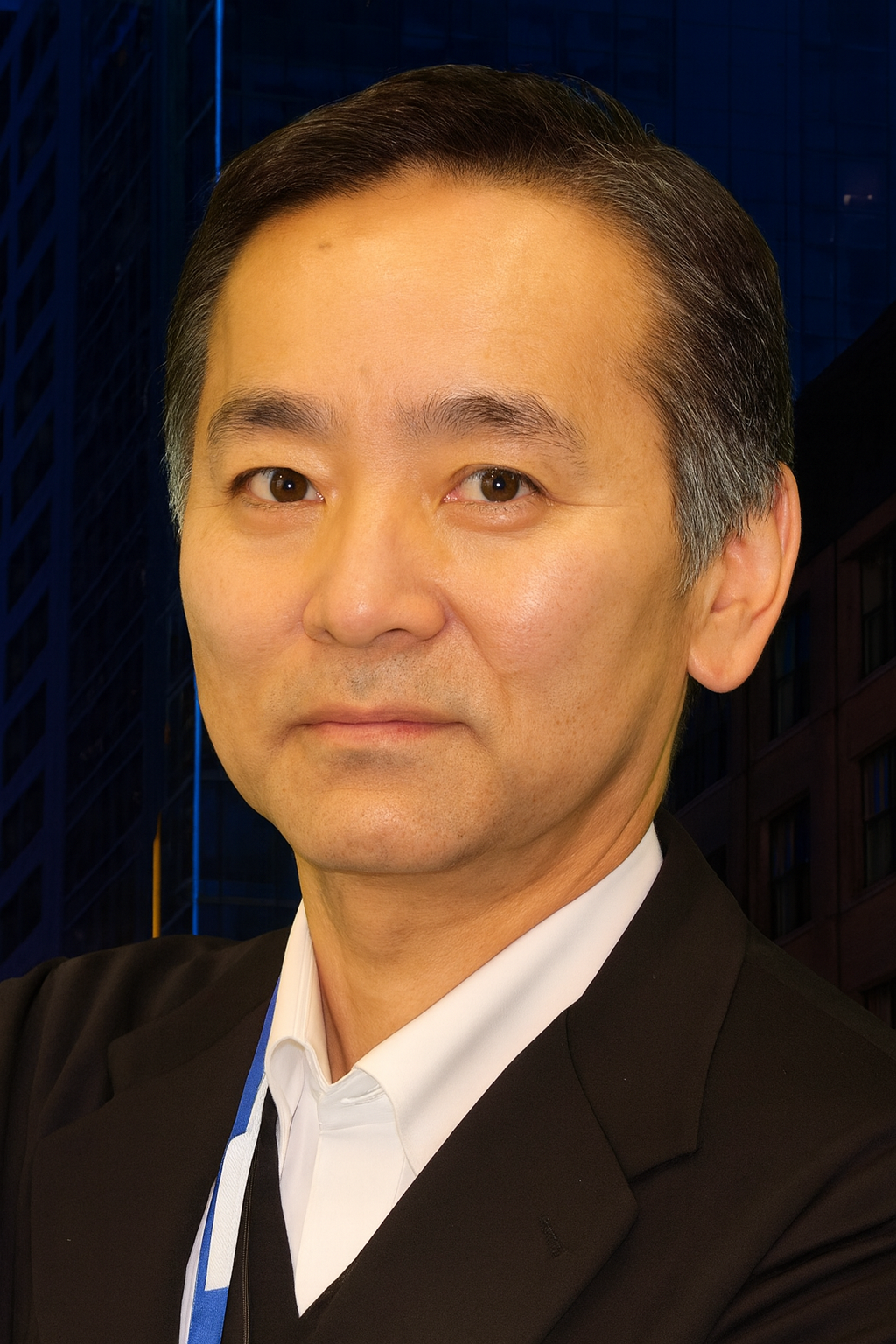 |
Theranostics, the integration of molecular imaging and targeted radionuclide therapy, has emerged as a key paradigm in modern oncology. The concept dates back to the use of radioactive iodine for thyroid diseases in the 1940s, where the same molecular pathway enabled both diagnosis and treatment. In recent years, theranostic approaches have rapidly expanded with the clinical success of peptide receptor radionuclide therapy (PRRT) for neuroendocrine tumors and prostate-specific membrane antigen (PSMA)-targeted therapy for metastatic prostate cancer. These developments have transformed nuclear medicine from a primarily diagnostic discipline into a therapeutic specialty. The fundamental principle of theranostics is the use of matched diagnostic and therapeutic radiopharmaceuticals that target the same biological pathway. Molecular imaging enables noninvasive whole-body assessment of target expression, patient selection, and treatment monitoring. Therapeutic radionuclides, including beta and alpha emitters, deliver cytotoxic radiation selectively to tumor cells while minimizing damage to surrounding tissues. |
|
Recent advances highlight the growing importance of personalized dosimetry. Rather than administering fixed activities, quantitative imaging and absorbed-dose calculations are increasingly used to optimize treatment efficacy and safety. In this lecture, we will review the historical development of radionuclide therapy, current clinical applications such as PRRT and PSMA-targeted therapy, and emerging alpha-emitter treatments. we will also discuss the role of quantitative imaging and dosimetry in achieving truly personalized cancer treatment, and outline future perspectives for theranostics in the era of precision oncology. |
Dr. Tomoya Nakayama
Animal Integrative Physiology
Graduate School of Bioagricultural Sciences Nagoya University
https://profs.provost.nagoya-u.ac.jp/html/100011017_ja.html
"Molecular mechanisms of seasonal adaptation in animals revealed by data-driven approaches using medaka"
 |
In spring, many animals become more active and prepare for reproduction. Additionally, some animals migrate in autumn, and in winter, they hibernate or enter dormancy to survive the harsh season. As these examples demonstrate, animals can appropriately sense seasonal changes and flexibly alter their physiological functions and behaviors. Many animals adapt to seasons by relying on information from day length and temperature, but it is also known that they actively adapt to seasonal changes by utilizing an internal biological clock that maintains a rhythm with an approximately one-year cycle. However, many aspects of the molecular mechanisms underlying seasonal adaptation in animals remain unclear. |
| Medaka (Oryzias latipes) is an excellent model for understanding seasonal adaptation mechanisms in animals, not only because it exhibits sophisticated seasonal responses, but also because high-precision genomic information and genome editing technologies are available. We have developed data-driven research by applying omics analyses and genome editing technologies to this excellent model. In this presentation, I will introduce the mechanisms of seasonal adaptation in animals that have been revealed through these approaches. |
Dr. Yoshihiro Yamanishi
Complex Systems Science
Graduate School of Informatics, Nagoya University Graduate School of Informatic
https://yamanishi.cs.i.nagoya-u.ac.jp/index_J.html
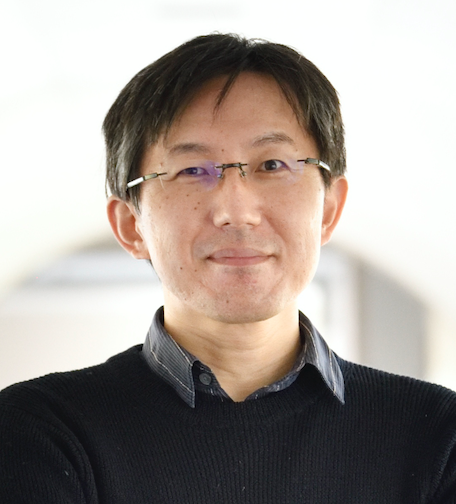
"AI-driven approach for medical science and drug discovery"
 |
Abstract: |
|
First, we present a computational approach for therapeutic target identification. A critical element of drug development is the identification of therapeutic targets for diseases, but the depletion of therapeutic targets is a serious problem. Here we propose to integrate genome-wide and transcriptome-wide association studies for predicting new therapeutic targets of various diseases including orphan diseases. Next, we present a network-based and structure-based approach for discovering therapeutic and side effects of drug candidate compounds. The prediction is performed based on molecular interaction networks and genome-side scale protein structures revealed by AlphaFold. Finally, we present a computational approach for de novo drug design. Most previous methods are based on chemical information, but they do not take into account biological information. Here we propose to utilize various biological data and polypharmacology toward the de novo design of drug candidate molecular structures with desired properties. |
Dr. Akira Yokoi
Obstetrics and Gynecology, Nagoya University Hospital
https://profs.provost.nagoya-u.ac.jp/html/100010954_ja.html
"Unraveling circulating extracellular vesicle functions for translational insights"
 |
As an obstetrician-gynecologist engaged in daily clinical practice, I routinely encounter a wide variety of biological fluids. Beyond commonly analyzed specimens such as blood, urine, and saliva, these include tumor fluid, ascites, amniotic fluid, follicular fluid, and nipple discharge. Each of these biofluids contains extracellular vesicles (EVs) including exosomes, which are thought to carry diverse biological messages. Reflecting on the information potentially embedded within these vesicles naturally leads to numerous research questions arising from clinical practice. Extracellular vesicles are lipid bilayer-enclosed particles released by virtually all living cells and circulate in body fluids carrying a wide range of bioactive molecules. |
| Over the past decade, EV research has rapidly expanded, revealing their critical roles in intercellular communication and driving advances in translational and applied research. At the same time, challenges related to reproducibility, standardization, and functional interpretation have become increasingly apparent. To address these issues, global efforts led by the International Society for Extracellular Vesicles (ISEV) have been undertaken to improve the quality and rigor of EV research. Meanwhile, the market and societal interest surrounding extracellular vesicles continue to grow, although public understanding remains fragmented and sometimes inconsistent. Looking toward the next decade, this lecture will highlight the fundamental appeal of extracellular vesicle research and discuss its vast potential enabled by multidisciplinary and cross-field approaches, with an emphasis on how EV biology can be harnessed to advance both basic science and clinical medicine. |
Dr. Yohei Kondo
One Medicine Transdisciplinary Life science-Medicine co-cre3ation Platform
(NU-TLiMP), Nagoya University
Laboratory of Data-driven Biology, Nagoya University Graduate School of Medicine
https://www.tlimp.nagoya-u.ac.jp/
"Inverse analysis of medical images via biophysical simulation"
 |
Modern biology and medicine increasingly rely on high-dimensional spatio-temporal data such as live-cell imaging and whole-brain medical images. While machine learning methods provide powerful tools for predictive analysis, they do not necessarily provide insight into the underlying biological mechanisms. In this talk, I present a unified framework that combines biophysics modeling with machine learning methods to extract hidden physical and biochemical information from image data. Such an approach has long been studied in engineering under the name of inverse problem/analysis. However, in biomedical sciences, mathematical models tend to be far more uncertain and complex, which poses challenges in modeling, simulation and learning [1,2]. |
|
First, I introduce a fortunate case in which the material properties of cultured epithelia can be inferred by using textbook machine learning methods [3]. By coupling cellular velocity and force measurements with a growing elastic sheet model, we estimate stresses and material parameters without applying invasive external forces, revealing an unusual mechanical behavior consistent with epithelial function. Second, I turn to a more challenging case in which effective biochemical heterogeneity governing the progression of Alzheimer's disease is inferred from human brain PET scans. A core difficulty is that we need to estimate millions of parameter values to fully characterize biochemical heterogeneity across the whole brain. To address this issue, we formulate a reaction-diffusion model on realistic brain geometry and implement it in a differentiable simulation framework, which enables efficient learning via error backpropagation through time. We then estimate the spatially heterogeneous amplification rate of pathological tau, a quantity that is otherwise inaccessible to direct measurement. Finally, I will discuss open problems and future directions, with a particular focus on applications to spatial omics data. |
■Program (Under construction)
Schedule *The schedule has been changed to February 17th, 2026.
■Registration for Participation and Poster Presentation *The deadline has been extended.
●For Nagoya University and Gifu University
・Registration Submission
Registration Deadline: Sunday, January 25th, 2026 →Friday, February 6th, 2026
https://forms.office.com/r/MkgPTCDEw0
・Poster Abstract Submission
Please register separately via the URL below after completing your participant registration.
Abstract Submission Deadline: Sunday, February 1st, 2026 →Friday, February 6th, 2026
https://forms.office.com/r/jVvjAUekZd
●Research institutions other than Nagoya University and Gifu University *The deadline has been extended.
・National Institute for Physiological Sciences
Registration Deadline: Sunday, January 25th, 2026 →Friday, February 6th, 2026
https://forms.gle/YZ2VRdrUMNSxUqDS8
・Aichi Cancer Center
Registration Deadline: Sunday, January 25th, 2026 →Friday, February 6th, 2026
https://forms.gle/pbeYfMvPw3pd9qRT6
・National Center for Geriatrics and Gerontology
Registration Deadline: Sunday, January 25th, 2026 →Friday, February 6th, 2026
https://forms.gle/xTVFisc7UTNNa3iR6
・Institute for Developmental Research
Registration Deadline: Sunday, January 25th, 2026 →Friday, February 6th, 2026
https://forms.gle/xZcsDMZ9eXaCgJiK6
・Poster Abstract Submission
Abstract Submission Deadline: Sunday, January 25th, 2026 →Friday, February 6th, 2026
*Please register poster presentation separately after completing your participant registration.
*Please submit the data to the responsible personnel at each research institute.
■About Poster Presentations (Tentative) *Schedule and other details are subject to change.
1. Language: English.
2. Poster Size: 90cm width x 180cm length
*Please keep the W x H ratio and make your poster with high resolution (200-300 dpi).
3. Eligible Person: Anyone may present a poster. However, only students are eligible for the "Poster Award".
4. Poster Display Time: Monday, March 16th, 2026, 10:00-20:30 (9:00-10:00 for affixing posters / 20:30-21:00 for collecting posters)
5. Poster Judging Time: Monday, March 16th, 2026, 13:10-14:10 (odd numbers) / 16:20-17:20 (even numbers)
*Poster awards will be judged during this time. Presenters are requested to stand by their posters.
6. Abstract Submission: Please submit your poster title and abstract (200 words) in English at the registration website.
7. Poster Number: Your poster number and abstract will be published in the abstract book. Please confirm your poster number.
Contact:
Organizing Committee for CIBoG Retreat (in the CIBoG WISE Program Office)
052-744-1946
cibog@med.nagoya-u.ac.jp